
1. Centralize Every Booking in One Platform
Scenario: A construction company has crews rotating through three regions. One supervisor books rooms by phone, another uses a hotel website, and a third keeps everything in spreadsheets. When a project shifts, half the rooms are cancelled, but two weren’t because they were booked through separate channels. The company ends up paying for no-show rooms that weren’t even needed.
When bookings live across emails, hotel websites, phone calls, and spreadsheets, mistakes happen, often expensive ones. A central workforce travel platform pulls everything into one place so you can see every stay, every crew member, and every job site at a glance.

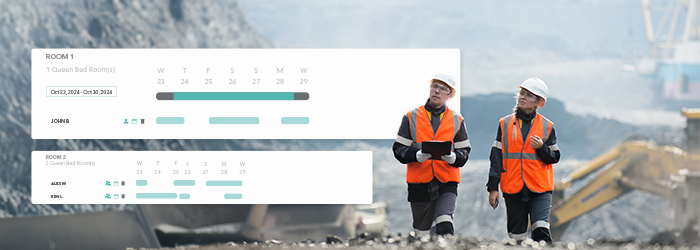
2. Use bulk booking and crew list tools to handle high-volume crew travel
Scenario: A mining contractor needs 60 workers on-site within two weeks. The travel coordinator spends hours manually entering each name into individual hotel reservations. Two names get duplicated, one gets left off entirely, and check-in takes an extra hour per group.
Booking 20, 50, or 200 workers one-by-one (or manually updating a spreadsheet) is slow, error-prone, and impossible to scale as projects expand.
3. Use Advanced Filters to Find Crew-Friendly Accommodations
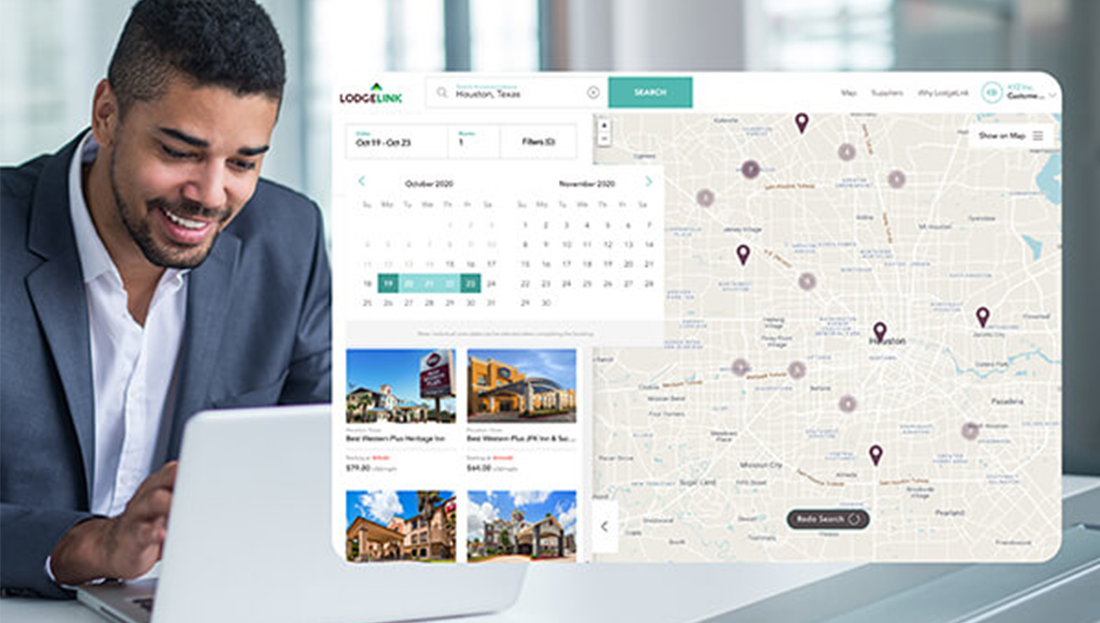
Scenario: A utility crew arrives at a property booked through a standard travel site, only to find there’s no truck parking for their fleet, and no kitchenettes for their 14-day stay. They now face a 40-minute daily commute to the nearest suitable site, driving up costs and reducing crew productivity. Filters built for workforce travel would have avoided that issue entirely.
Remote job sites and rotating teams require properties that fit unique needs. Traditional travel sites aren't built to find rooms based on workforce requirements.
4. Automate and Consolidate Invoicing
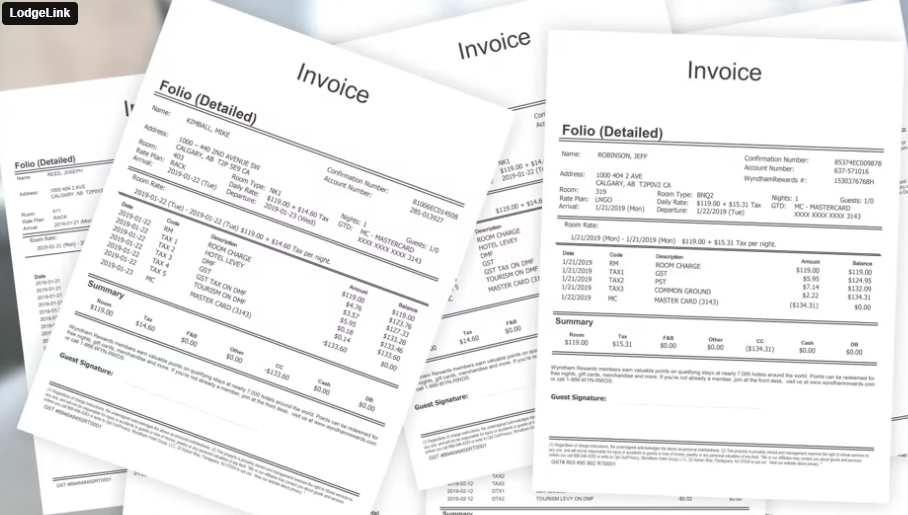
Scenario: An energy company processes more than 900 invoices a month from different hotels, each using different formats and billing codes. One month, a hotel accidentally bills for 12 extra rooms. The mistake isn’t caught until six weeks later, after the accounting period closes.
5. Build Flexibility Into Your Crew Travel Process
6. Eliminate Guesswork With Real-Time Visibility
7. Reduce Costs With Pre-Negotiated Rates across Properties
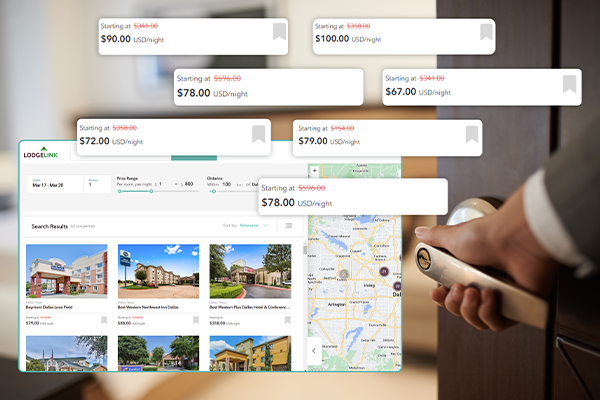
Scenario: A construction company books an eight-week stay at public nightly rates. Later, they learn a nearby lodge, only available through a crew-focused platform, offers discounted weekly pricing. They miss out on thousands in savings simply because the rate wasn’t visible on standard travel sites.
8. Manage Large Crews at Scale With the Right Tools
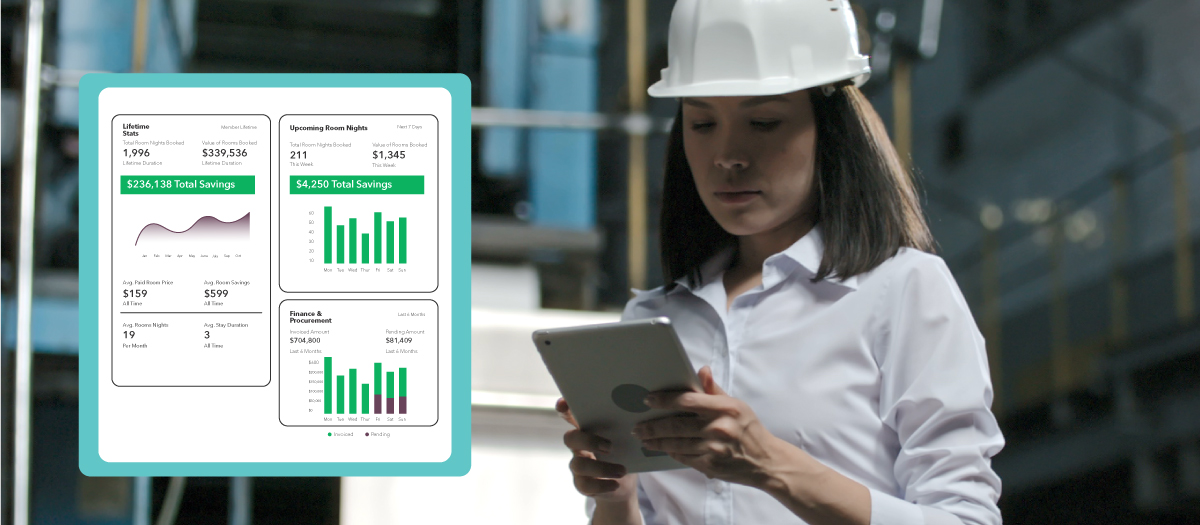
9. Leverage Reporting Tools for Better Budgeting & Decision-Making
Scenario: A company consistently exceeds lodging budgets on long-term projects but can’t pinpoint the cause. Once they start using reporting dashboards, they realize many stays are being billed at standard nightly rates instead of extended-stay rates. Correcting the mistake immediately reduces costs.
10. Build a Workforce Travel Process That Works Smarter