Frequently Asked Questions
What is crew lodging?
Crew lodging is accommodation booked for teams of workers travelling to a job site, not for individual business travellers. It covers extended-stay motels for long rotations, hotels near job sites for shorter deployments, and workforce camps for remote sites where hotels do not exist. Crew lodging is priced, scheduled, and reconciled around a project, not around a person.
How is LodgeLink different from a regular hotel booking site?
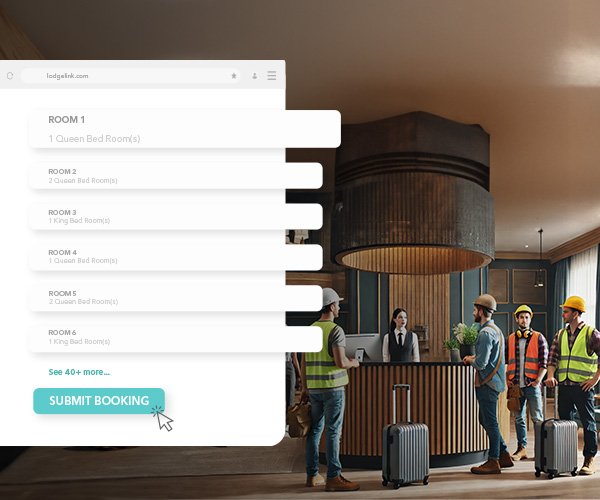
Regular hotel booking sites are built for individual travellers with credit cards and expense reports. LodgeLink is built for crews on the ground: 10 to 100 rooms per booking, cost centers and tracking codes on every stay, real-time rebookings when a shift changes, and a support team that knows how workforce travel actually works.
What is workforce accommodation?
Workforce accommodation is lodging built around the way field crews travel: rotating shifts, remote job sites, and last-minute schedule changes. It includes extended-stay hotels, motels, and workforce camps vetted for truck parking, meal service, and crew-friendly rates.
How many properties does LodgeLink cover for crews?
LodgeLink connects crews to 18,000+ properties across Canada, the United States, and Australia. This includes major hotel brands, business extended-stay properties, and workforce lodges in remote regions that consumer booking sites don't reach. Every property is priced at negotiated rates.
Does LodgeLink offer flights and ground transportation for crews?
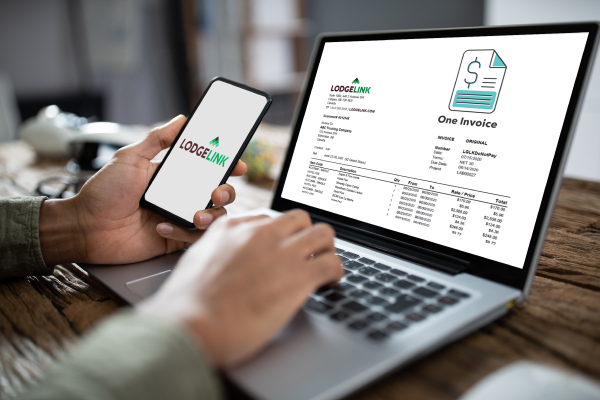
Yes. LodgeLink combines crew lodging with air and ground transportation on the same platform. Charter flights, shuttles, and rental vehicles can be booked and managed alongside hotel stays. A dedicated Travel Desk handles complex itineraries end-to-end, and everything reconciles on a single monthly invoice.
What features does LodgeLink offer for crew travellers?
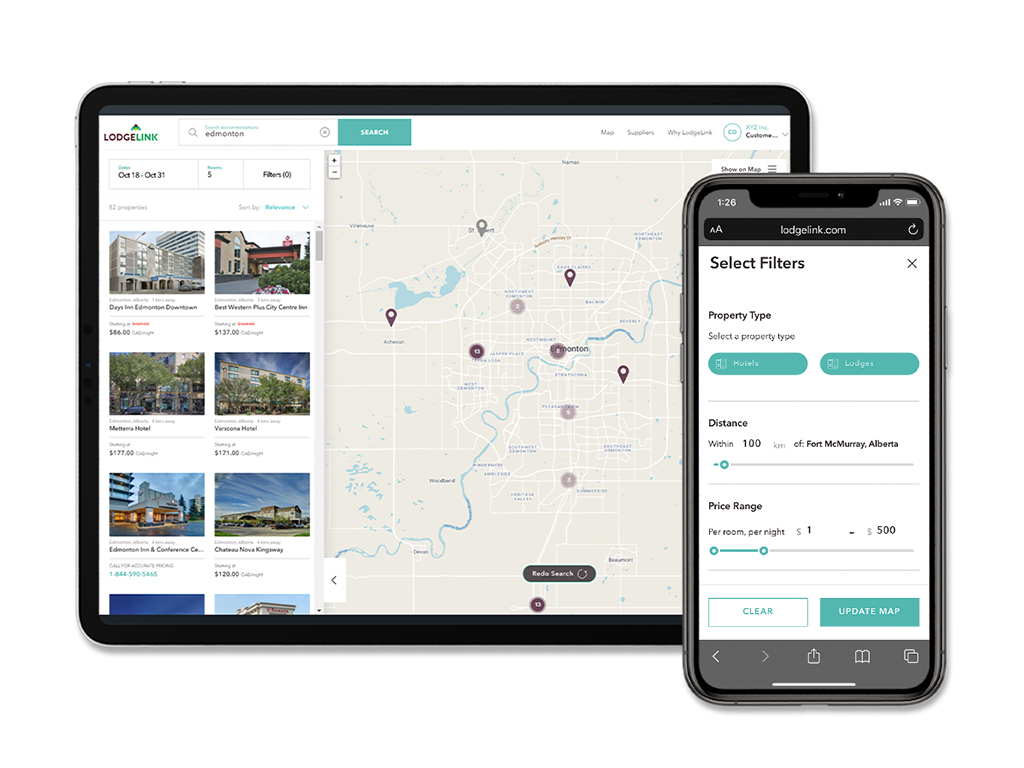
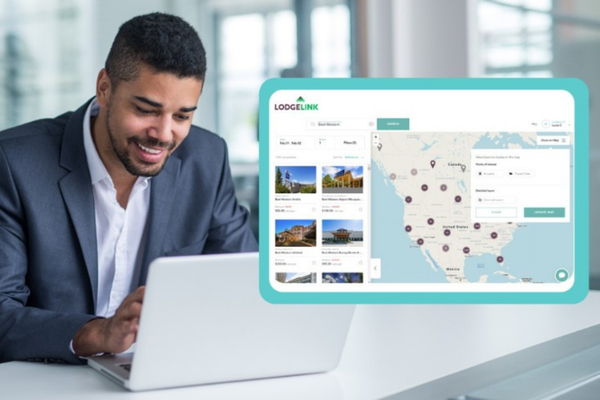
LodgeLink is built for the way crews actually travel on the road. The mobile app lets crews and coordinators book, edit, and check in from the field. Duty of Care tools track crew locations and communicate with the team when disruption hits. Role-based permissions let ops leads and finance teams see what they need. Search filters cover GPS, LSD, budget, and workforce-specific amenities like truck parking or extended stay rates.