FAQ: Corporate Travel vs Workforce Travel
Is workforce travel the same as corporate travel?
Short answer: Not exactly. But they’re closely related.
Workforce travel still falls under corporate travel because people are travelling for work. The difference really comes down to scale and complexity.
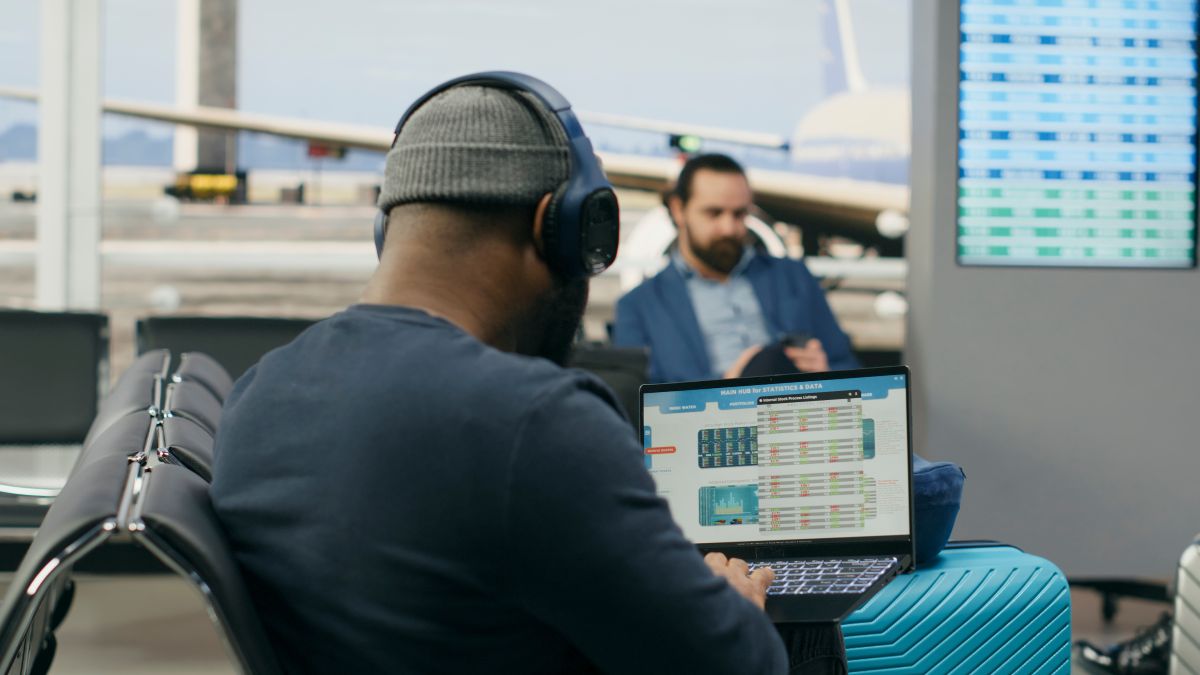
Traditional corporate travel usually means someone flying to a meeting, conference, or training session, staying a couple of nights, then heading home. It’s predictable and relatively easy to manage.
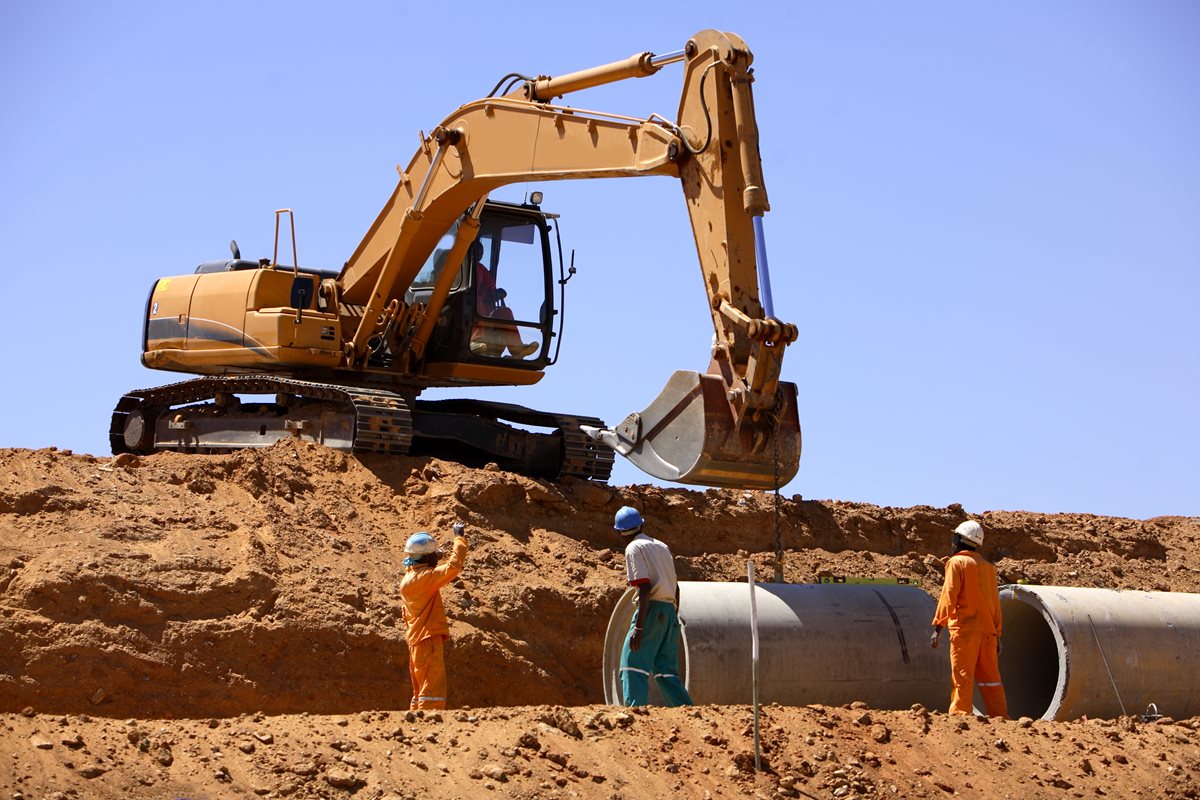
Workforce travel looks different. Instead of booking one or two rooms, you might be arranging lodging for an entire crew, sometimes for weeks or months at a time. Add rotating shifts, staggered arrivals, and schedule changes, and there’s a lot more coordination involved.
So it’s still business travel. It just has more moving parts.
What industries deal with workforce travel the most?
You’ll see workforce travel most often in industries where people need to go where the work is.
That includes construction, oil and gas, utilities, mining, transportation and rail, and renewable energy projects like wind or solar farms.
A lot of this work happens outside major cities, in regional or remote areas. That means crews need somewhere to stay close to the job site, often for longer periods of time, which changes how travel needs to be managed.
Why is crew lodging harder to manage than regular business travel?
The short answer? There’s just more going on.
With typical business travel, you’re dealing with one traveller and a fairly fixed plan. They arrive, stay a couple of nights, and leave.
Crew travel is different. You might be managing dozens of rooms at once, coordinating arrivals for different shifts, and adjusting plans when a project timeline changes. And those changes happen more often than people expect. Weather delays, equipment issues, or scope changes can all affect schedules.
At that point, you’re not just booking travel anymore. You’re managing logistics.
Can companies just use their corporate travel system for crew travel?
This comes up a lot. And for very simple situations, the answer is yes.
Most corporate travel systems are built around individual bookings, which works fine when one or two employees are travelling for a short trip in a city.
The challenge starts when crews get larger, stays get longer, or work moves into regional or remote areas. That’s when teams often find themselves working around the system rather than with it.
For many organizations, that’s the point where travel stops feeling straightforward and starts feeling hard to keep under control.
What are the biggest headaches when managing workforce travel?
A few things tend to come up again and again.
One is simply finding places for crews to stay, especially near remote job sites where options are limited. Another is keeping track of who’s staying where and for how long, particularly when schedules change.
Then there’s the finance side, allocating costs to the right project, keeping billing organized, and making sure nothing gets missed. Without a centralized system, teams often end up juggling spreadsheets, email threads, and invoices, which can get messy quickly.
So how do companies usually make this easier?
The biggest improvement usually comes from bringing everything into one place.
When lodging, schedules, changes, and reporting are all managed together, it’s much easier to see what’s happening and respond when plans change. Travel coordinators can track crew stays, make adjustments, and keep a clearer view of costs across projects.
It doesn’t remove complexity entirely (workforce travel will always have moving parts) but it makes the whole process far more manageable.
Does workforce travel always mean remote locations?
Not always, but it’s very common.
Some workforce projects happen near cities, but even then, the challenge usually comes from managing the number of people and the length of their stays, not just the location itself.
That’s really what separates workforce travel from typical business travel. It’s less about the trip and more about coordinating lodging and logistics around the work.