FAQ: Crew Lodging & Travel in Road Construction
Q: Why is crew lodging such a headache in road construction?
A: Because the job doesn’t stay in one place. Crews move as the work moves. Sometimes every couple of weeks, sometimes faster.
You might book rooms near the start of the project, then two weeks later, the crew is 50 miles down the road, and those hotels don’t make sense anymore.
Most travel tools assume fixed locations and dates. Road construction is the exact opposite.
Q: Can’t we just book a block of rooms and be done with it?
A: You can, and a lot of teams try.
But projects don’t follow the plan that cleanly. Schedules shift, weather delays paving, and crews jump ahead to the next segment.
That “set it and forget it” block usually turns into chasing changes, moving rooms, cancelling nights, and rebooking somewhere closer anyway.
Q: Why do crews end up staying so far from the job site?
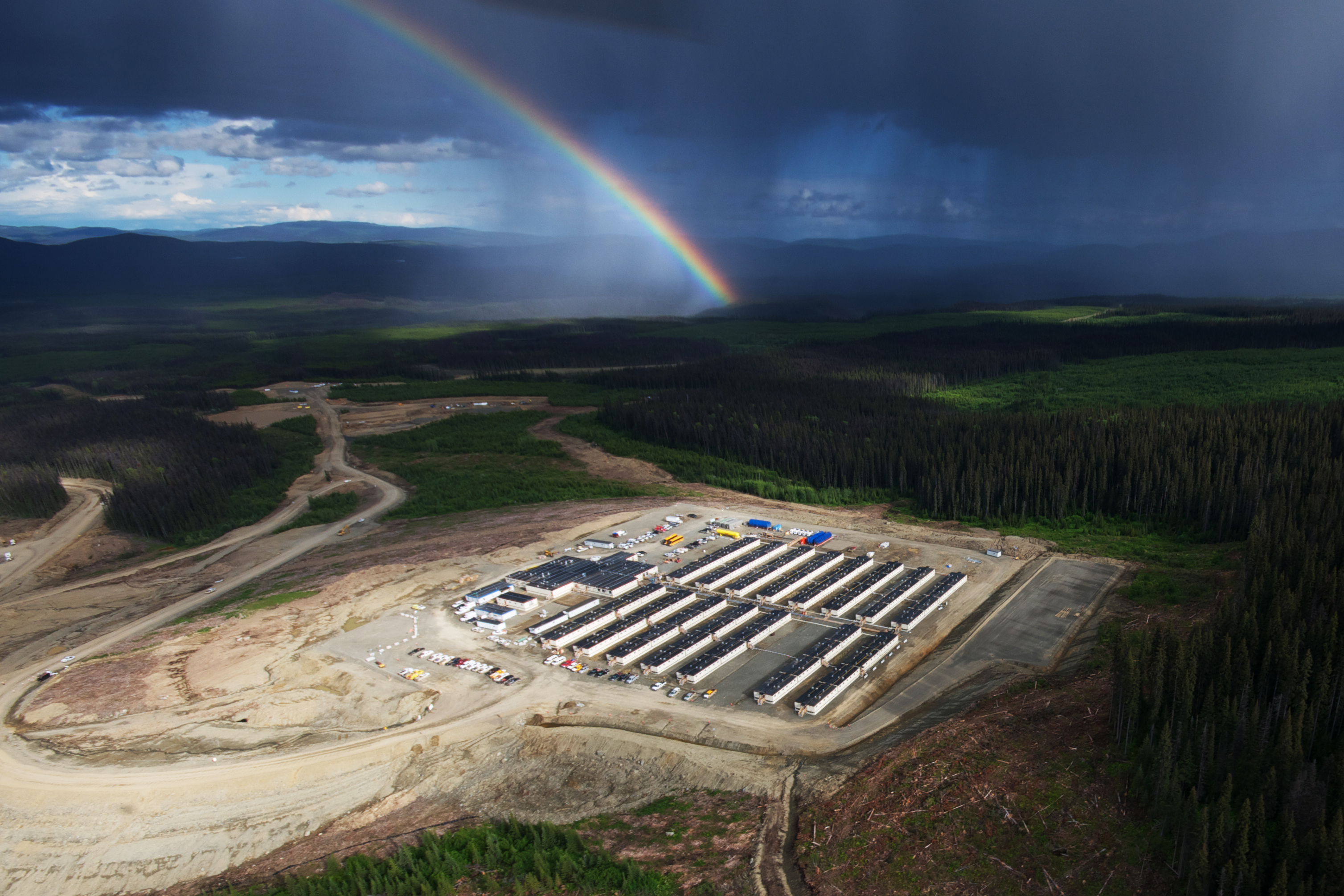
A: Because there just aren’t many options where the work is.
A lot of roadwork happens between towns, not in them. So if the one decent hotel near your stretch is full, you’re booking 45–90 minutes away just to house the crew.
It solves the immediate problem, but now your crew’s adding hours of driving every day.
Q: Does that extra drive time really make a difference?
A: It adds up fast.
An extra hour each way means longer days, more fatigue, more fuel, and less time actually working. Multiply that across a full crew over weeks, and it becomes a real cost, not just a minor inconvenience.
Q: What usually starts to break down when things get busy?
A: Coordination.
Not booking a room, that part’s easy. Keeping everything aligned is the hard part.
Who’s staying where, which crews are moving, and what’s been extended or cancelled.
Once you’ve got crews spread across a few towns and shifting between zones, it gets messy fast without one place to manage it.
Q: Why don’t regular corporate travel tools work for this?
A: They’re built for one person going from A to B on fixed dates.
This is crews, moving constantly, across multiple sites.
You can make those tools work, but you’ll end up juggling spreadsheets and emails alongside them anyway.
Q: What about just calling hotels or using booking sites?
A: That works if you’ve got one crew in one spot.
But once you’ve got multiple crews moving along a corridor, it turns into hours of calls, emails, and tracking things in spreadsheets.
And every time something changes, you’re doing it all over again.
Q: What should a better setup actually help with?
A: A few things make a big difference:
- Booking rooms for a full crew at once, not one person at a time
- Moving dates, adding people, or cancelling rooms without starting over
- Seeing who’s staying where across all your projects
- Finding hotels based on where the work actually is, not just the nearest town
Q: Is this just part of the job, or worth fixing?
A: A lot of teams think it’s just part of the job, until projects scale.
Once you’ve got multiple crews moving across multiple zones, the time and cost tied up in lodging starts to show up pretty clearly.
Q: What’s the biggest “aha” moment for teams that figure this out?
A: Realizing this isn’t just admin, it affects how the job runs.
When lodging lines up with where the work actually is, things get a lot smoother.
Fewer last-minute scrambles, less back-and-forth, and way better visibility into what’s going on.