Why is crew travel planning so complex in construction?
Construction projects shift constantly: new phases, different locations, remote sites, and rotating day/night crews all create moving travel targets. And unlike corporate travel, construction lodging must support remote industrial zones, large rotating teams, and long-stay efficiency. Without the right tools, every change becomes a scramble — and costs rise fast.
If your current workflow includes shared spreadsheets and late-night calls to motels… you’re not alone. Tools like centralized workforce travel platforms eliminate that chaos by automating booking changes and keeping every project stakeholder aligned.
How early should construction crews book accommodations?
For most projects, booking 4–6 weeks in advance helps secure availability—especially during peak seasons or near remote industrial zones.
But here’s the catch: early booking only works if you can stay flexible when the schedule changes. Prioritize properties that allow modifications, extensions, and reassignments without a penalty. We can help you with that.
What amenities matter most for construction crews?
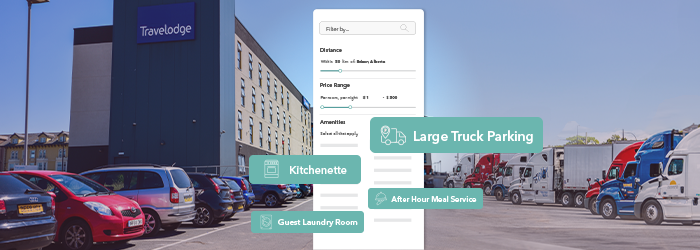
Standard business hotel perks won’t cut it. Field-ready lodging should support: Truck parking, kitchenettes, onsite laundry, extended-stay options, and access for equipment or large vehicles. These directly impact comfort, productivity, and safety during long rotations.
How can construction companies track travel costs more accurately?
We know how every booking impacts project profitability. So, better cost control starts with Consolidated invoices instead of 100+ folios, project codes + tracking IDs for clean job costing, booking and spend visibility across all sites, and automated reporting to spot cost overruns early.
Teams that use centralized travel tools typically save hundreds of admin hours per year and dramatically reduce waste from no-shows or unused rooms.
How do you manage room assignments for rotating crews?
Rotations are constant: day crew out, night crew in, and new workers arriving mid-project. To avoid confusion at check in: use digital rosters with clear naming conventions. Get support for staggered arrivals to make room management smoother—especially when teams switch shifts or join at different times. You can also assign rooms by project or shift for better tracking and allow foremen or subcontractors controlled access to manage their own groups.
What’s the best way to handle constant project changes?
At LodgeLink, we have a saying: expect change. Build for change.
Your travel program should:
- Allow crew shifts without re-booking from scratch
- Provide 24/7 human support when disruptions hit
- Maintain fast communication between site and travel teams
- Prevent penalties when timelines slip
If modifying a booking feels like reinventing the wheel, you’re using the wrong system.Why is centralizing crew travel data important?
Because construction teams make better decisions when they can see the whole picture. When booking details, receipts, and reports live in one place, teams can forecast needs, reduce errors, and maintain cleaner financial reporting across multiple projects.