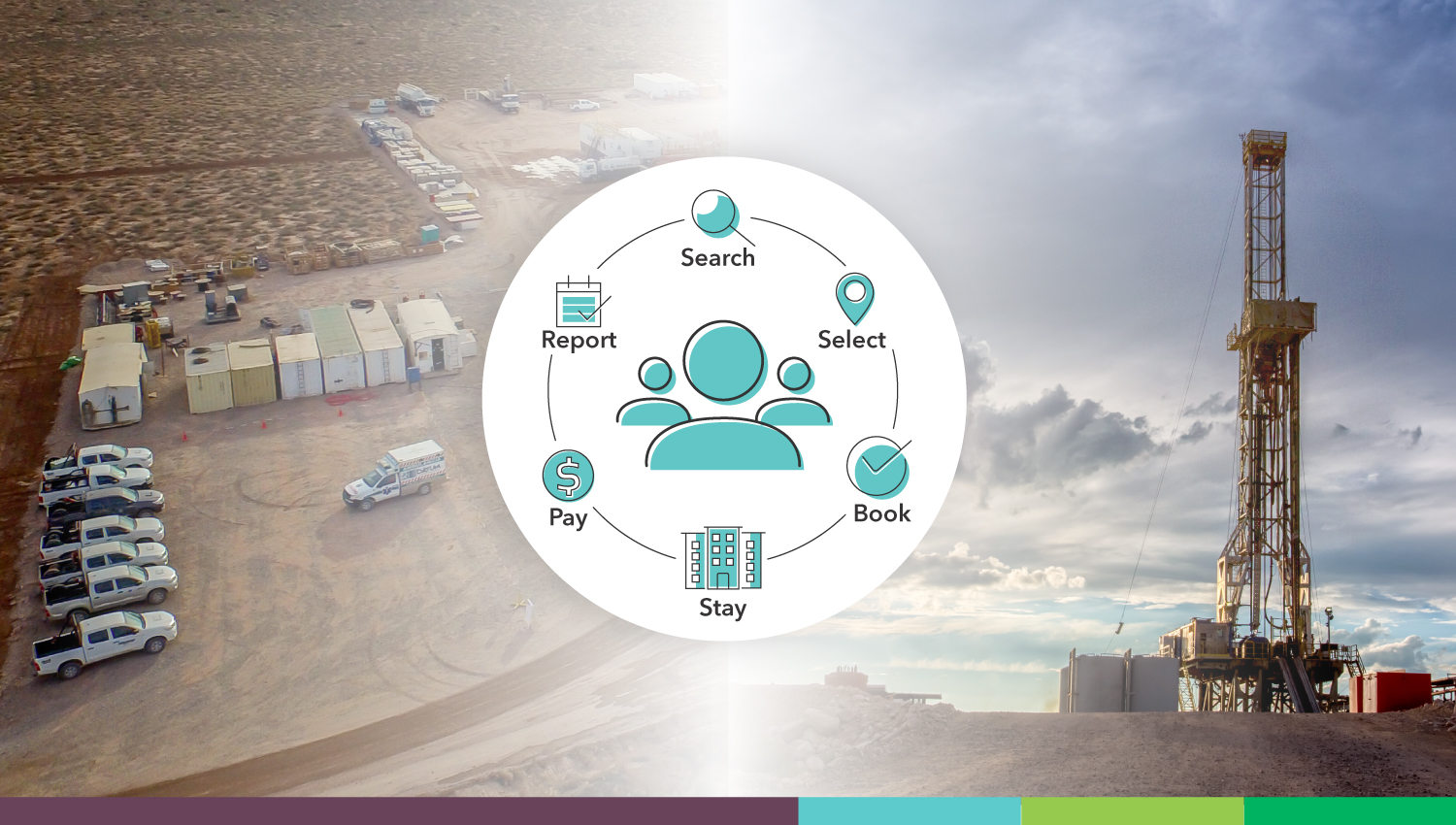
Fracking and large‑scale energy projects mean crews are constantly on the move. Securing affordable accommodations for your field crew in certain regions can be a major challenge. That’s where LodgeLink comes in.
As a workforce accommodation provider built for crew lodging in remote areas, LodgeLink helps oil and gas teams manage extended stay accommodations and complex travel logistics for field teams.
And with hydraulic fracturing accounting for more than 64% of U.S. crude oil production in 2021 (per the U.S. Energy Information Administration), and production remaining strong in 2025, demand for crew lodging has never been higher.
Securing the right accommodations is essential for keeping projects on schedule and budgets under control.
Let’s look at three of the busiest U.S. fracking regions, and then draw parallels with Canada’s remote energy camps, such as the Alberta oil sands, and how LodgeLink helps streamline accommodation logistics for field teams.

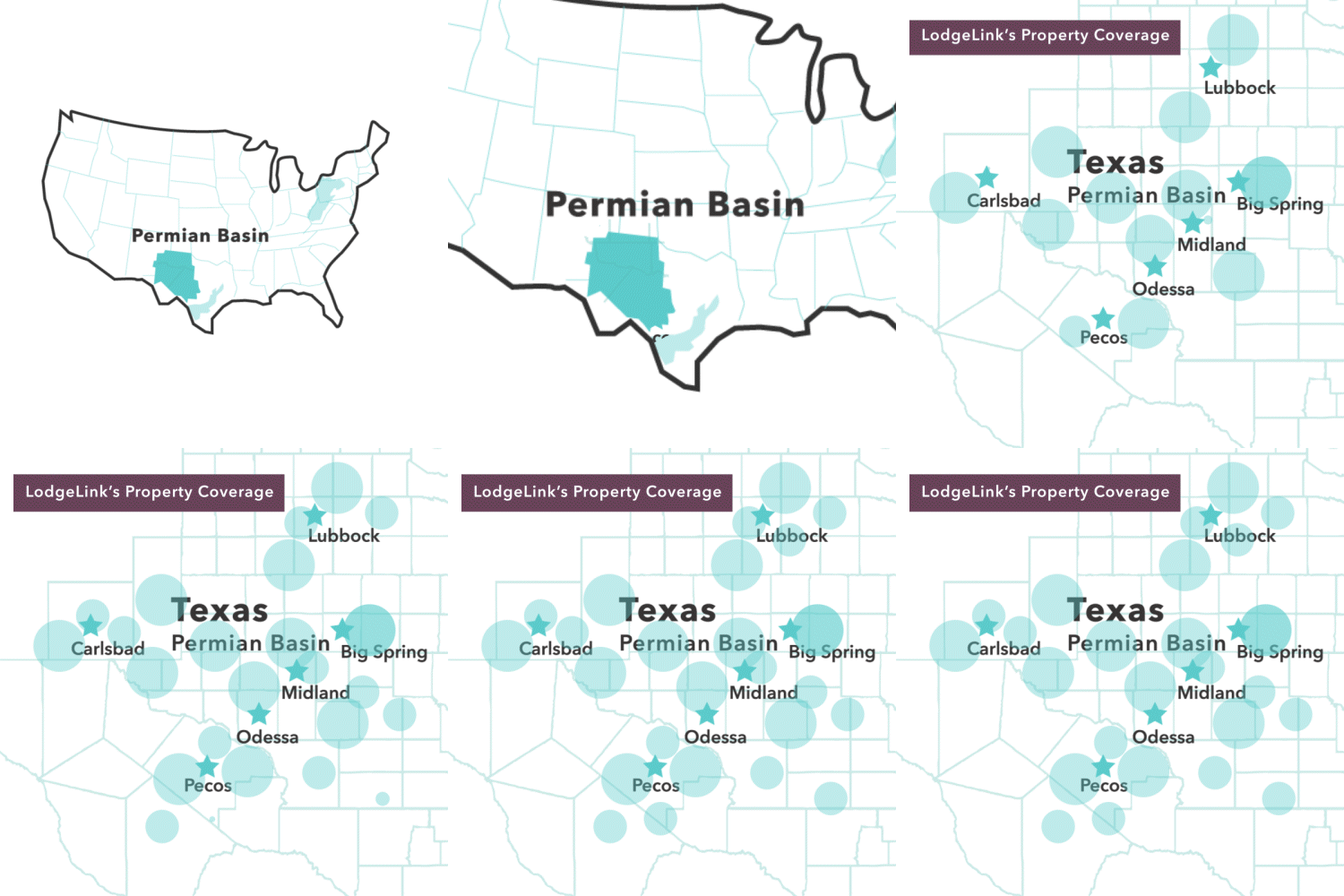
1. Permian Basin (West Texas & New Mexico)
As one of the world’s most prolific unconventional oil and gas producing areas, the Permian Basin is a hub for workforce travel. Hotels, motels and lodges fill up fast as large projects bring thousands of field engineers, utility crews, drilling contractors, truck fleets and site support teams.
Unlike some Canadian drilling regions where winter or thaw cycles restrict operations, the Permian operates almost year‑round, raising competition for crew lodging and transportation.
How LodgeLink Helps Crews in the Permian Basin:
- Access to workforce‑friendly accommodations, including large‑truck parking, motels, and budget extended stay options.
- A centralized booking platform for multi‑location scheduling across the basin.
- 24/7 support for short‑term or long‑term stays, reducing last‑minute scrambling and unplanned expenses.
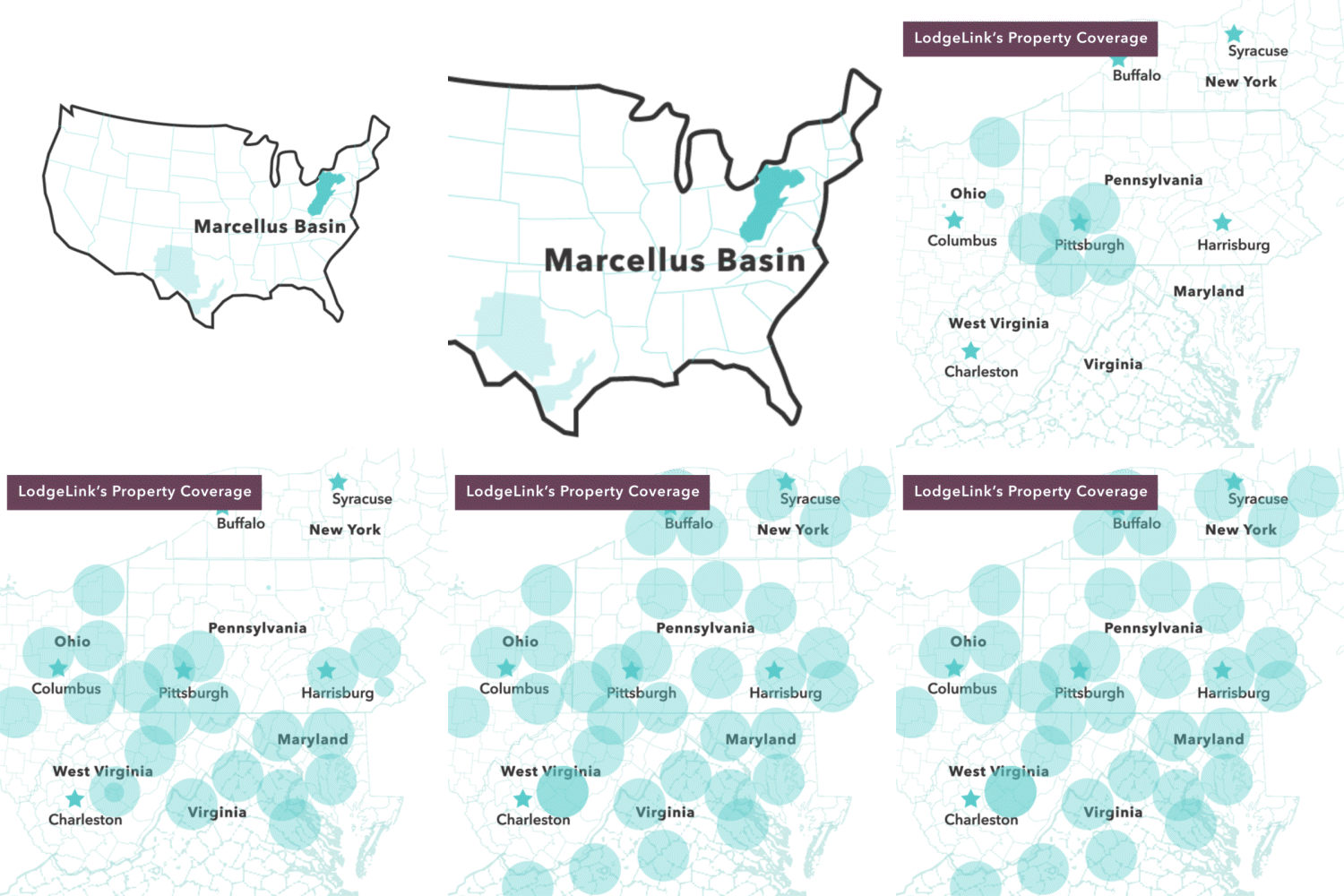
2. Marcellus Shale (Pennsylvania, West Virginia, New York)
Stretching across multiple states, the Marcellus Shale is primarily a natural gas region but has the same workforce lodging issues: remote sites, crews brought in from out of state, high turnover, and the need to house large teams near worksites.
How LodgeLink Helps Crews in the Marcellus Shale:
- Search filters built for extended stays near remote drill pads or pipeline rights‑of‑way.
- Hotels and lodges with truck parking and crew‑friendly amenities for supply‑chain teams and drivers.
- Scheduling tools to reduce time spent manually juggling rooms, rotations and guest lists.
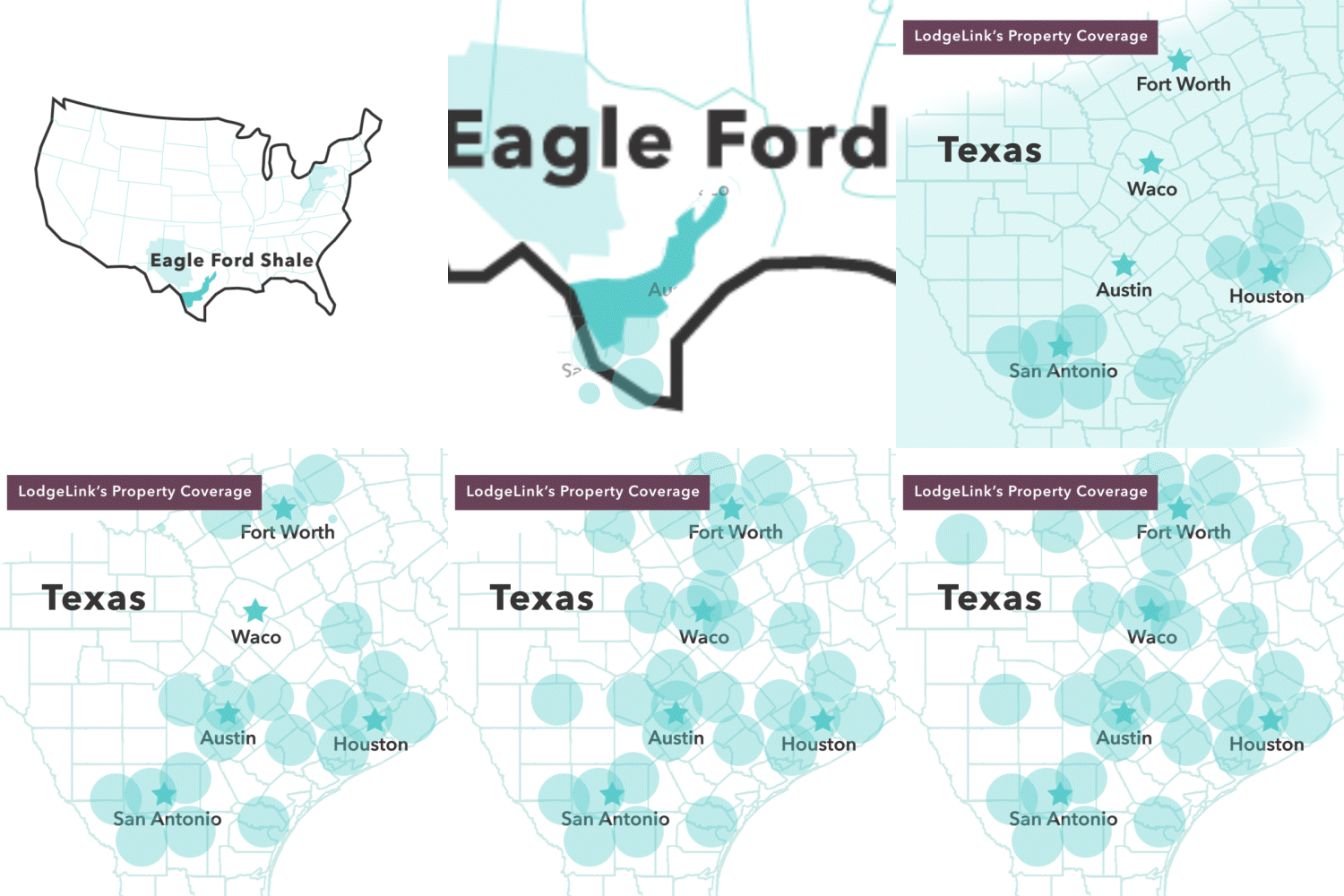
3. Eagle Ford Shale (Texas)
Covering about 50,000 square miles from the Texas–Mexico border to east of San Antonio, Eagle Ford continues to grow. With more drillers, truck drivers and field engineers heading into the play, demand for oilfield crew housing and energy‑sector lodging continues to rise.
How LodgeLink Helps Crews in Eagle Ford:
- Thousands of rooms for short‑term crew housing or longer assignments near remote locations.
- Coordination for multiple crews across different sites, including transportation and check‑in logistics.
- Lodging options aligned with workforce rotations and remote operations, without breaking the project budget.
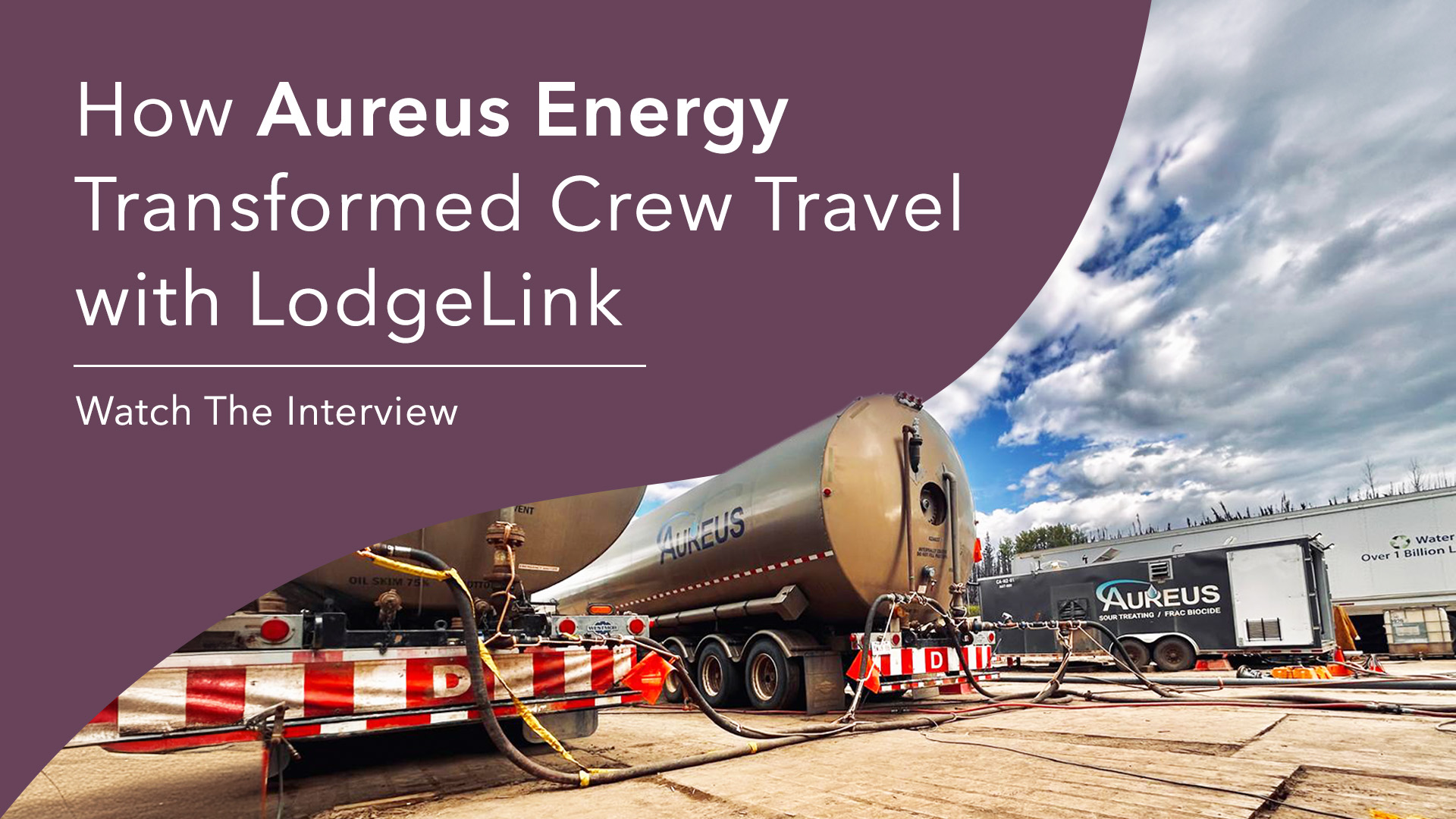
"LodgeLink is easy to use. It's definitely tailored to our line of work where we have crews of multiple people"
Jeff Taylor - Aureus Energy’s Canadian Operations Vice President