Frequently Asked Questions
What's the difference between a man camp and a work camp?
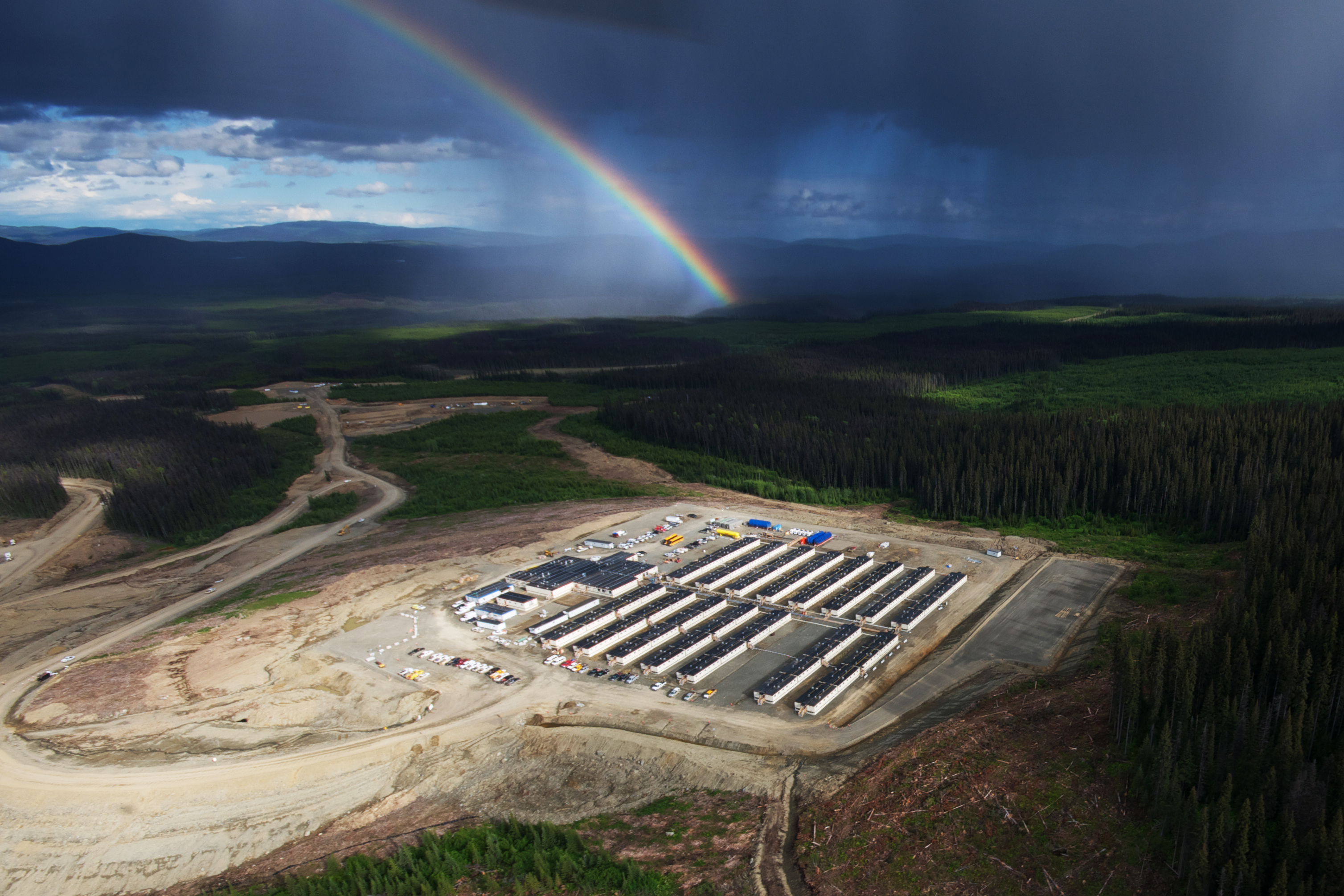
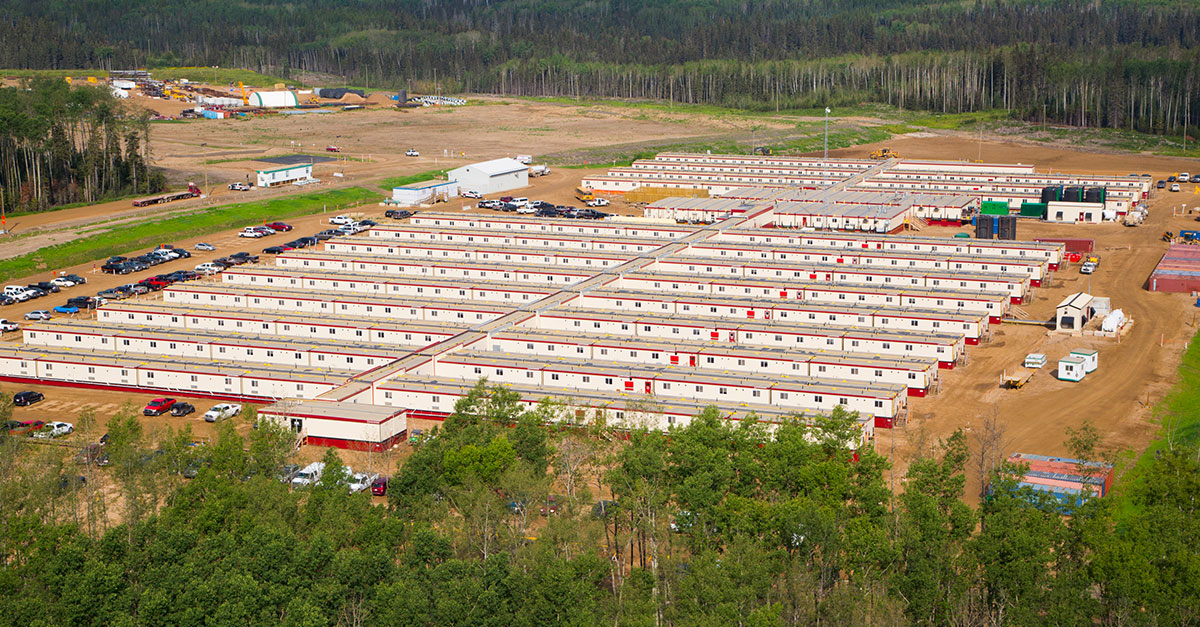
Nothing, really. Man camp, work camp, workforce camp, and crew camp are all used interchangeably across the industry, with "man camp" more common in oil and gas and construction specifically.
How far in advance should I book man camp housing?
As early as possible. Remote inventory is limited and can disappear quickly due to competing projects, seasonal demand, or unexpected workforce increases. For large or long-term projects, months of lead time is common.
Are man camps only for oil and gas?
No. While oil and gas, mining, and pipeline construction are the most common users, camps are also used for utilities, major infrastructure, disaster response, and other projects that require housing a large workforce near a remote site.
How is pricing usually structured?
It varies. Some camps bill per person per night, others per room, and larger projects may negotiate a contracted room block or project rate. Always confirm whether meals, laundry, and other services are included, since bundled rates can be more cost-effective than they first appear.
What happens if my crew size or schedule changes mid-project?
Extensions, early departures, and rotation changes are common and should be expected. The key is confirming the property's policy on these changes upfront, and using a booking process that lets you update reservations quickly without losing the original cost data.
Can I use a mix of camps and hotels for the same project?
Yes, and it's common. Many projects house the core crew in a camp while using hotels for supervisors, visitors, or overflow, especially during mobilization and demobilization phases.
How does LodgeLink help with man camp housing specifically?
LodgeLink provides access to camps, lodges, and hotels through one platform, along with tools for group bookings, rotating crew schedules, consolidated invoicing, and cost reconciliation across projects. Its supply team can also source additional properties when standard inventory doesn't meet a project's needs.