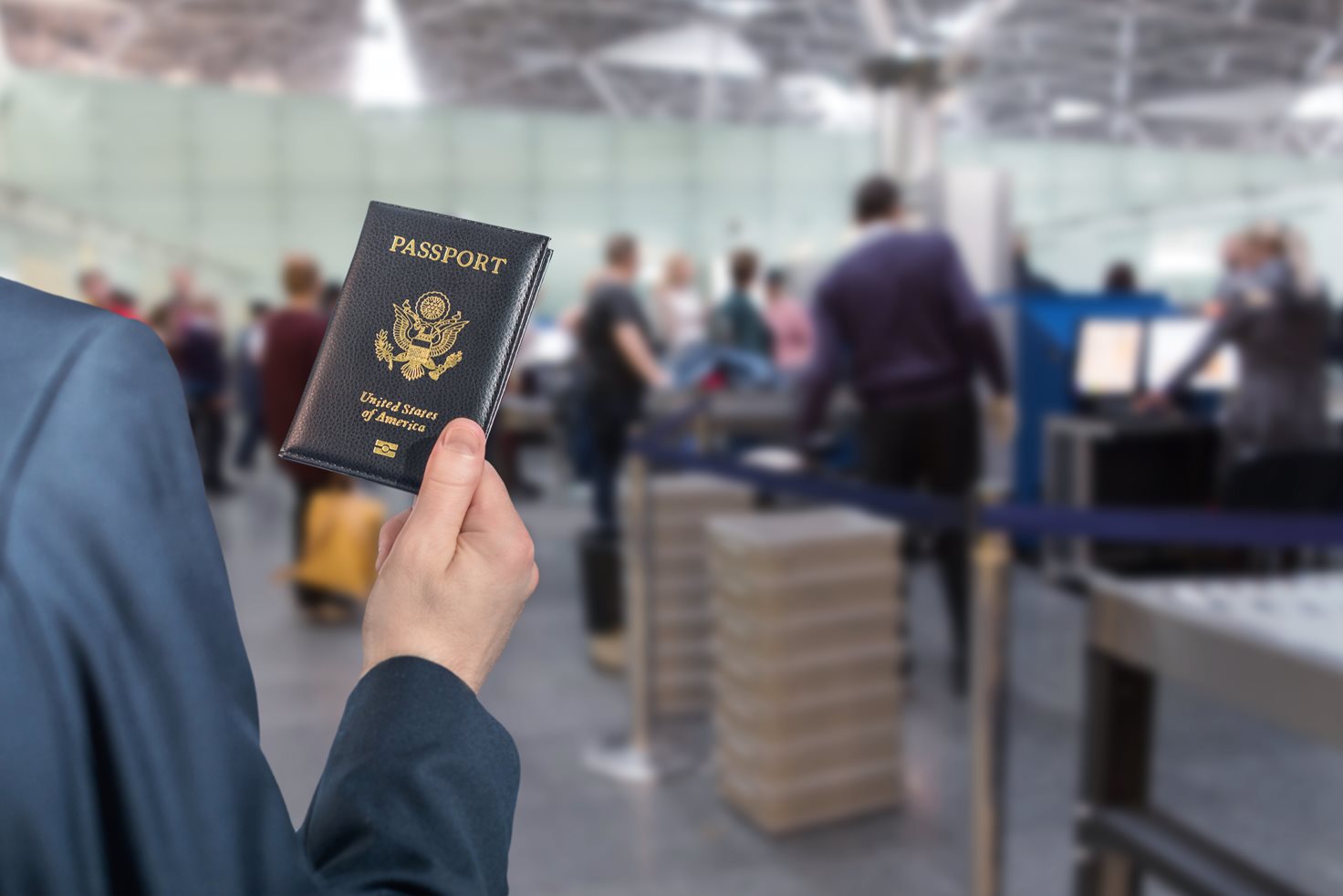
How to Tell If a Worker Has a REAL ID
Many travelers already have a REAL ID without realizing it.
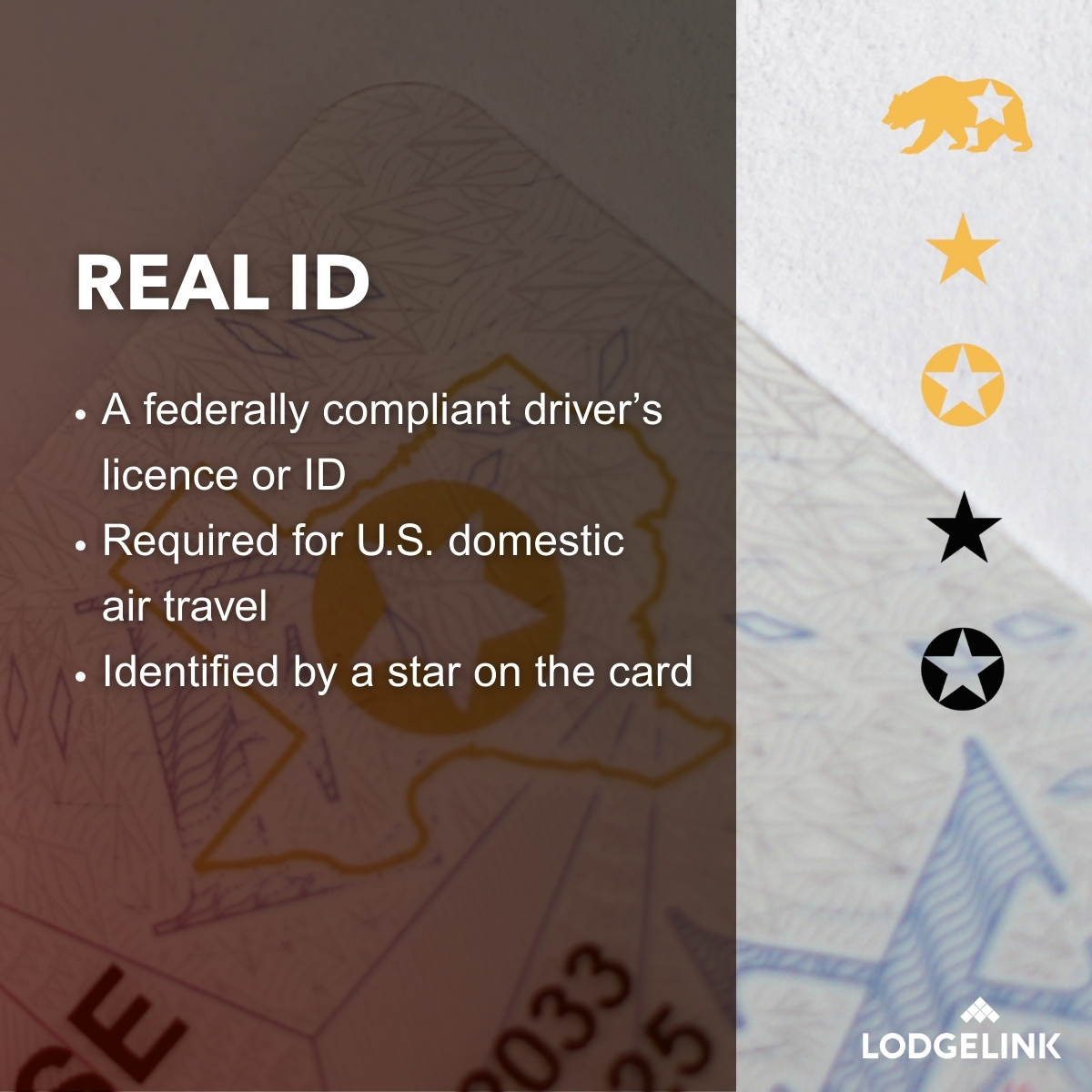
A REAL ID–compliant license typically has a star (gold or black) in the upper corner. Licenses marked with phrases like “Federal Limits Apply” are not compliant.
Importantly:
- State compliance does not guarantee individual compliance
- Temporary or paper licenses are not accepted
- Mobile driver’s licenses are only accepted in limited, approved states
For companies managing large, rotating crews, relying on individuals to self-check creates unnecessary exposure.

Fragmented Travel Systems Stall Compliance
Many organizations still manage workforce travel through:
Emails
Spreadsheets
Disconnected booking tools
In these environments, there’s no central way to:
Flag non-compliant travelers
Communicate upcoming ID requirements
Adjust plans before departure
The result is reactive decision-making and preventable disruption.
How Duty of Care Extends to ID and Compliance Risk
Duty of Care isn’t limited to weather events or emergencies. It includes anticipating foreseeable risks that could disrupt travel or strand workers.
ID compliance is one of those risks.
A missed flight due to a non-compliant ID can:
- Leave workers stranded
- Create safety concerns
- Force unplanned travel changes
- Increase fatigue and stress
A proactive Duty of Care strategy reduces these risks by building visibility and communication into everyday travel management.


Travel Management & Planning
Centralized itineraries across crews
Clear visibility into who is traveling, when, and where
Advance planning to avoid last-minute rebooking

Duty of Care Capabilities
- Locate, track, and communicate with travelers during disruptions
- Real-time itinerary and flight monitoring
- Travel alerts for regulatory, weather, or security risks
- Emergency communication via mobile, SMS, or email

For Arrangers
- Faster response when travel changes occur
- Better traveler visibility by date, location, or airline
- Reporting to support audits and compliance reviews

For Arrangers
- Access to up-to-date itineraries
- Timely alerts and advisories
- Direct communication with travel support
Preparing Your Crew Travel Program for REAL ID Enforcement
To reduce the risk of grounded workers:
- Treat ID compliance as part of travel readiness
- Communicate REAL ID requirements early and often
- Verify acceptable ID before booking critical flights
- Build buffer time into rotations where possible
- Use centralized travel tools that support visibility and response
REAL ID enforcement isn’t a future problem; it’s an operational reality.

Mobile Tools Matter in the Field
Crews don’t manage travel from desktops.
Mobile access ensures workers can:
- View itineraries and updates
- Receive travel alerts
- Access destination information
- Communicate with support in real time
When plans change, whether due to weather, cancellations, or compliance issues, mobile visibility reduces confusion and risk.