Why don’t corporate travel processes work well for crews?
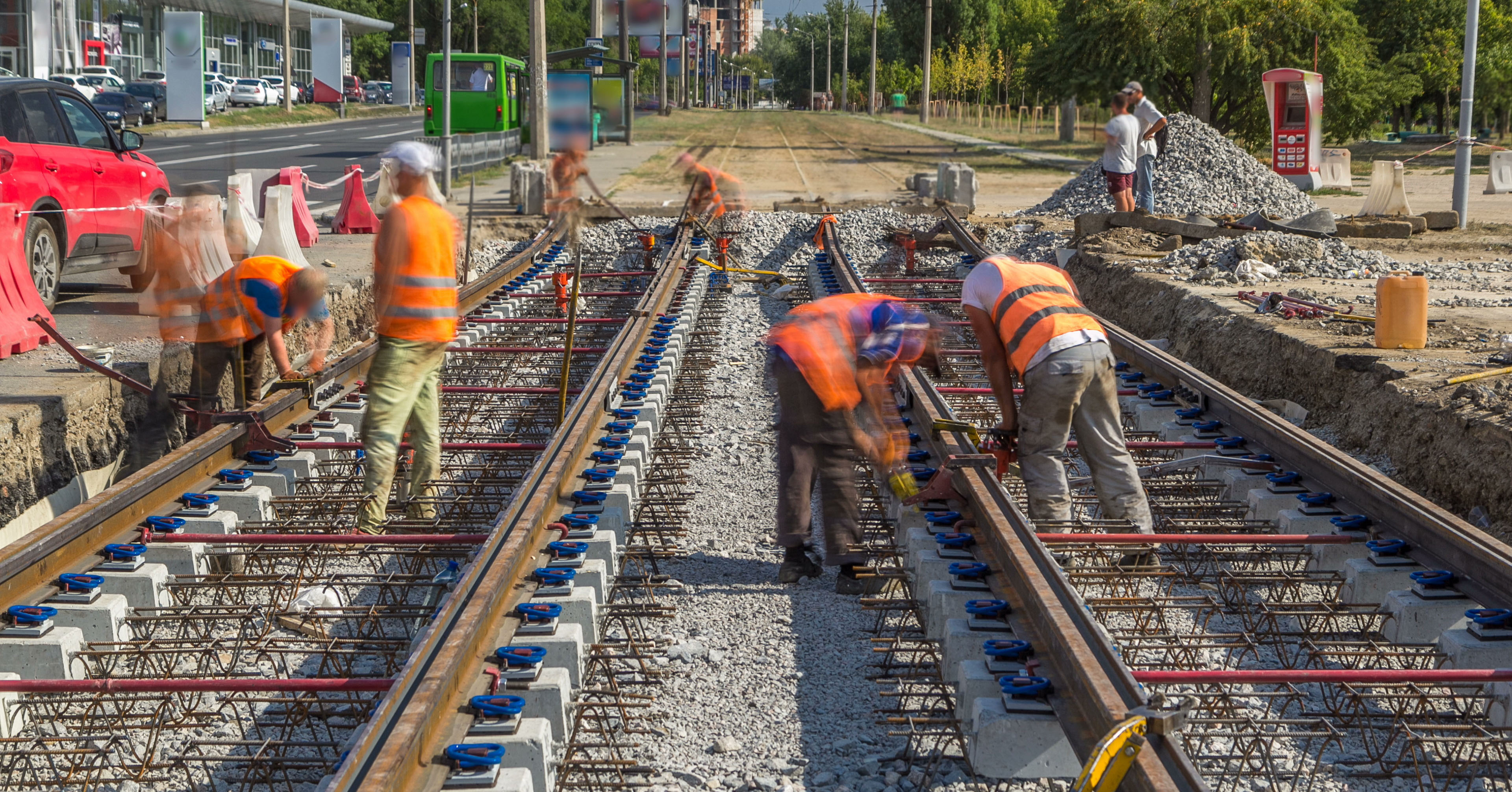
Corporate travel systems were built for predictable trips, executives flying to meetings or conferences. Crew travel isn’t predictable. Projects change, shifts move, and people need to be on-site now. When you use slow approvals and manual processes built for corporate travel, things get stuck in the pipeline.
Isn’t travel still just an admin task?
Not for crews. If a sales trip gets delayed, it’s annoying. If a crew trip gets delayed, the job can literally stop. That’s why crew travel should be treated like project infrastructure, not just paperwork someone handles on the side.
What are the biggest bottlenecks teams usually overlook?
A few common ones:
Waiting for approvals on every booking or change
Manually updating bookings when scopes or shifts change
Ops and finance working from different spreadsheets and reports
Choosing the cheapest option, even if it’s far from the site
Individually, they seem small. Together, they slow everything down.
Why does hotel location matter so much for crews?
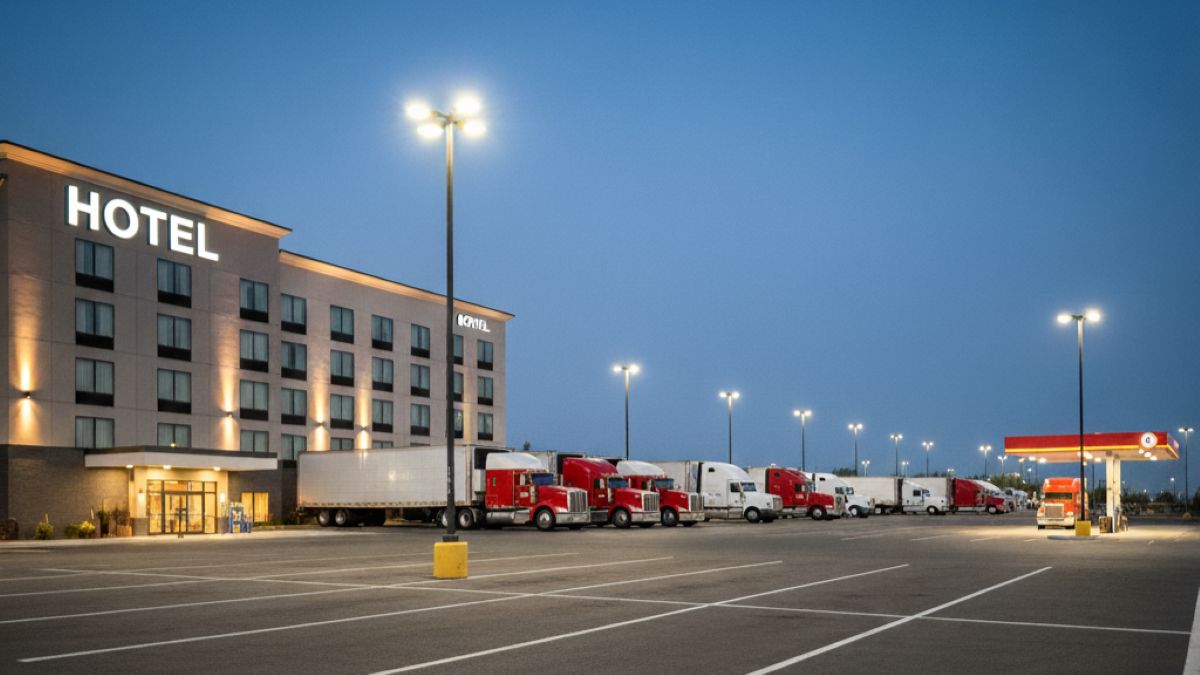
Because time is money. A cheaper hotel 40 minutes from site can mean longer days, overtime, fatigue, and missed shifts. For crews, staying closer often saves more in productivity and safety than it costs in nightly rates.
Can’t traditional travel agencies handle this?
They can, but most are set up for point-to-point corporate trips, not rotating crews, extended stays, or constant changes. That’s why teams end up relying on emails, spreadsheets, and manual fixes to keep things moving.
So what does a “good” crew travel workflow actually look like?
Think fewer handoffs and faster decisions:
Flexible approvals tied to project budgets
One view of spend for ops and finance
Tools built for extended stays and rotating crews
Decisions based on operational impact, not just nightly rate
The goal is less admin and fewer surprises.
Where should teams start if they want to fix this?
Map your current process, from approvals to billing, and ask one simple question: Does this match how our projects actually run?
If the answer is no, that’s your opportunity. Even small changes to approvals, visibility, and tools can remove big bottlenecks.
Where does LodgeLink come in?
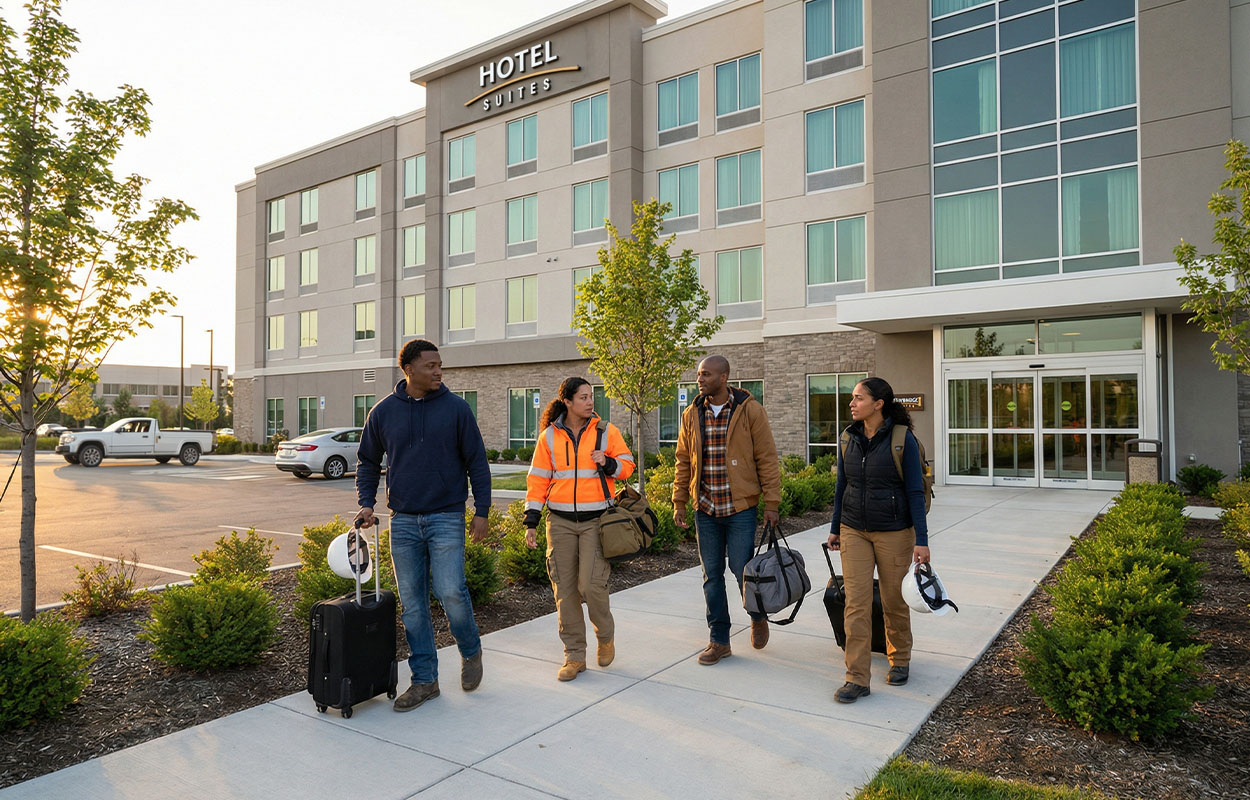
LodgeLink is built around how crews actually move and work and not how corporate travellers book flights. It connects booking, approvals, and cost visibility so teams can treat lodging like part of the project plan, not an afterthought.
When traditional business travel platforms fall short, LodgeLink simplifies workforce travel and crew accommodations for teams in work boots and hardhats, not suits and briefcases.