1. What does “Duty of Care” mean for workforce travel?
Duty of Care refers to an employer’s legal and ethical responsibility to protect employees while they are traveling for work. This includes anticipating risks, monitoring safety conditions, communicating with travelers, and responding quickly when incidents occur.
2. Why is Duty of Care especially important for crew-based industries?
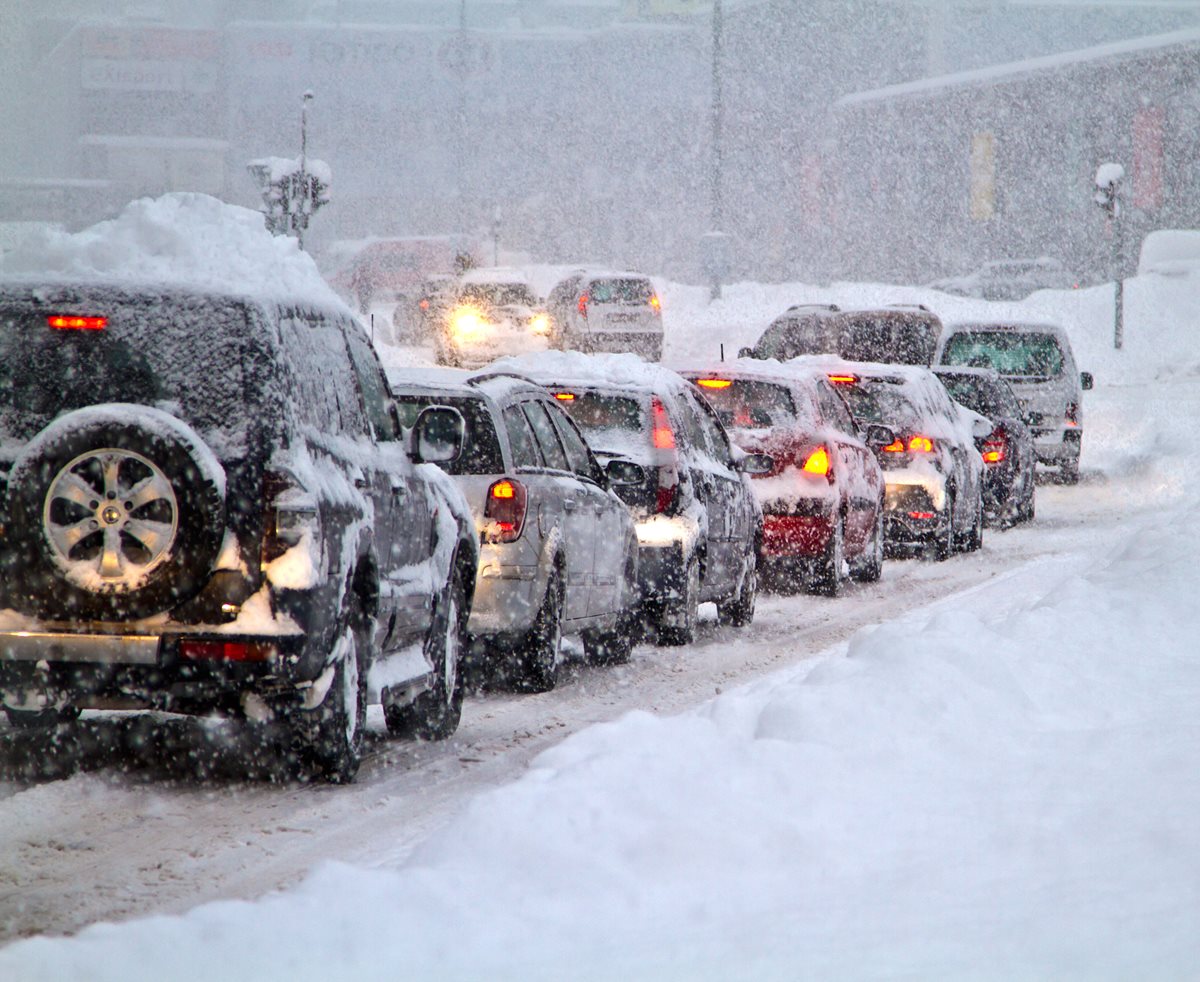
Unlike office travel, workforce travel often involves remote locations, harsh weather, rotating shifts, long road travel, or unfamiliar regions. These environments increase the likelihood of disruptions or emergencies - making real-time tracking and communication essential.
3. What tools does LodgeLink offer to support Duty of Care?
LodgeLink’s Duty of Care program includes:
- Live traveller tracking and GPS geolocation
- Up-to-date itinerary and flight monitoring
- Real-time risk alerts and advisories
- Emergency push communications
- Traveller profiles with critical info
- Reporting and exportable data
These tools help companies maintain visibility, accountability, and preparedness.
4. How does the traveller tracker map work?
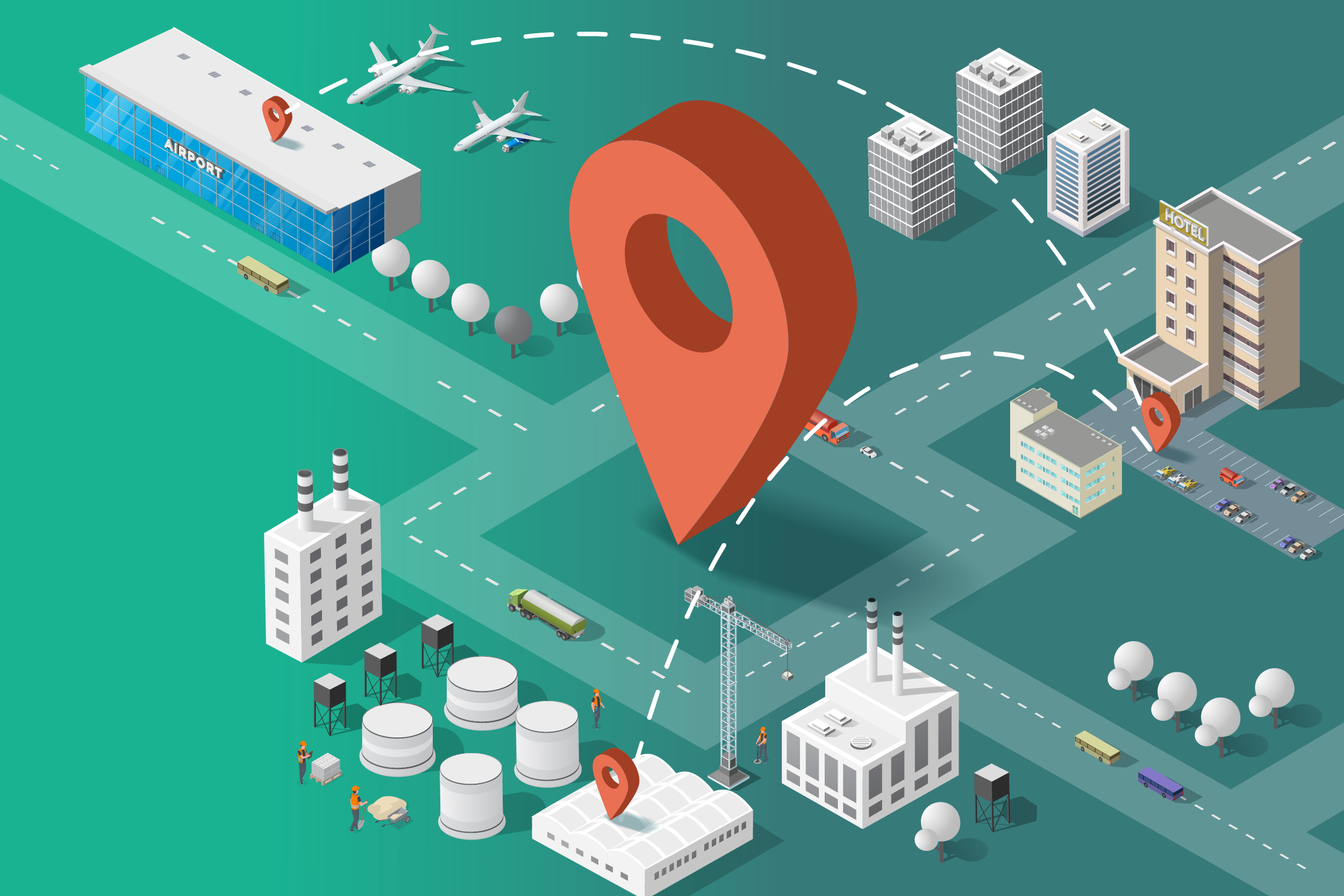
Travel arrangers can view all active travelers on a real-time map, including upcoming arrivals, people in transit, and checked-in crew. During an emergency, this allows managers to quickly identify who is affected and take action (reroute, contact, support).
5. Does Duty of Care help during weather or regional emergencies?
Yes. The system delivers alerts for severe weather, flight disruptions, natural disasters, regional incidents, or safety concerns. It also enables fast communication to ensure all travelers receive timely instructions.
6. How are travellers notified if something goes wrong?
LodgeLink can push emergency notifications via mobile, email, or SMS. Employers can also send messages directly through the platform to provide check-ins, instructions, or updates.
7. How much does LodgeLink Duty of Care cost?
Duty of Care is offered as an add-on service. (Note: confirm the current annual fee — e.g., $300 — with your LodgeLink representative before publishing.)
8. Who is responsible for enrolling travellers?
Travel managers or company administrators typically enable Duty of Care at the account level. Traveler profiles are then added or synced, ensuring itinerary details are automatically tracked.
9. Is tracking always active?
Tracking is tied to the traveler’s itinerary and check-ins. The system shows where the traveler is supposed to be, plus real-time updates when they travel or arrive. GPS features may require app permissions if enabled.
10. How does Duty of Care support compliance or audits?
Exportable logs, itineraries, alerts, and traveler data help employers demonstrate compliance with safety regulations, internal policies, and industry standards, especially important for energy, utilities, construction, transportation, and remote field work.